Who Is Hecate? Keeper of the Crossroads
This post may include affiliate links and I may earn a small commission from qualifying purchases. Mabon House only features products that I use myself or that I believe my readers would enjoy. Thank you!
Hecate is one of the oldest figures in Greek mythology.
Unlike many of the Olympian gods, she was born to the Titans Perses and Asteria, placing her among the older generation of deities who existed before Zeus and the Olympians.
One of the earliest descriptions of Hecate appears in Hesiod's Theogony. Rather than portraying her as dark or frightening, Hesiod describes her as a powerful goddess honored by Zeus with influence over the earth, the sea, and the sky. She was associated with blessings, prosperity, wisdom, and protection.
Over time, Hecate became connected with places that exist "between" worlds.
She is commonly associated with:
Crossroads
Boundaries and thresholds
Liminal spaces
Magic and witchcraft
The moon
Dreams and the night
Transformation and the Underworld
Perhaps more than anything, Hecate reminds us that life's most meaningful moments often happen in the spaces between one chapter and the next.

Hecate: Keeper of the Crossroads
One of Hecate's best-known roles is as the Keeper of the Crossroads.
In ancient Greece, crossroads were more than intersections in the road. They represented places of decision, uncertainty, and transition.
As Hecate's worship evolved, she was often depicted as three women standing back-to-back, each facing a different direction. This triple form symbolized her ability to watch over every path and every possibility.
She is frequently shown carrying:
Torches, representing guidance through darkness.
Keys, symbolizing access to hidden knowledge and new beginnings.
A dagger, representing discernment and the ability to cut away what no longer serves us.
Throughout ancient Greece, shrines dedicated to Hecate were often placed near gates, city walls, crossroads, and the entrances to homes. People left offerings of food at these sacred places, asking for protection and safe passage through life's transitions.
The yew tree, long associated with death, rebirth, and longevity, also became one of the plants connected with Hecate.
Hecate and Persephone
One of my favorite stories involving Hecate comes from the myth of Persephone.
When Persephone was abducted by Hades and taken to the Underworld, Hecate was one of the few who heard her cries. She later helped Demeter search for her daughter and eventually became Persephone's companion, escorting her between the Underworld and the world above.
I think that is what drew me to Hecate. She doesn't rescue Persephone or make her journey easier. Instead, she walks beside Persephone, lighting the path along the way.
There are seasons in every life when we're moving from one version of ourselves to another. During those times, we don't necessarily need someone to solve our problems—we simply need enough light to take the next step.
More Than a Goddess of Witchcraft
Today, Hecate is probably best known as the Greek goddess of witchcraft and magic.
That association grew stronger in later Greek and Roman literature, particularly in stories involving Medea and Jason and the Argonauts.
Interest in Hecate experienced a significant revival during the late twentieth century through the work of scholars and modern neo-pagan authors. Today she is honored by many Wiccans, witches, and those seeking a more nature-based spiritual path.
Recommended Reading & Listening
If you'd like to learn more about Hecate, these are the books that have influenced both historical scholarship and modern interest in her:

Once in a Blue Moon
This post may include affiliate links and I may earn a small commission from qualifying purchases. Mabon House only features products that I use myself or that I believe my readers would enjoy. Thank you!
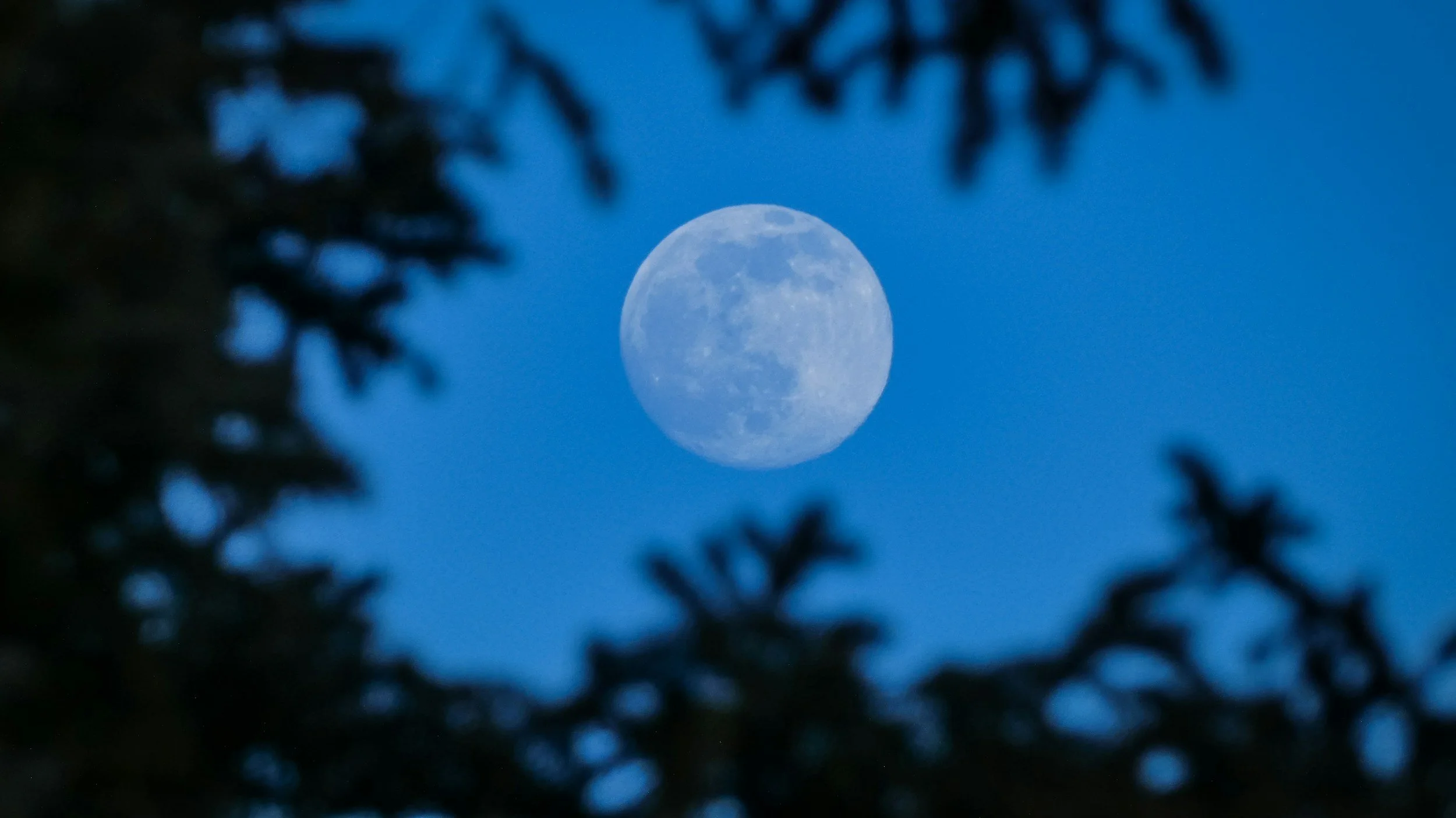
May is the month of the Flower Moon. This year (2026), the full moon coincided with Beltane on the very first day of May. And now, we are gifted with a second full moon this month — a Blue Moon — arriving on May 31.
The full moon represents abundance, illumination, and the moment when we begin to see the results of intentions planted during the new moon. Its energy is often considered strongest at this time, making it a meaningful opportunity to focus on goals, spell work, manifestation, or reflection. It is also a time to seek clarity about the path ahead.
If there is an area of your life that feels uncertain or troubling, sitting beneath the full moon in meditation can help bring insight and perspective.
According to the Old Farmer’s Almanac, May’s Blue Moon is also a micromoon, meaning it will be at one of its farthest points from Earth — the opposite of a supermoon. Even from afar, its energy remains a reminder to reflect on what you wish to invite into your life, and what you may be ready to release.
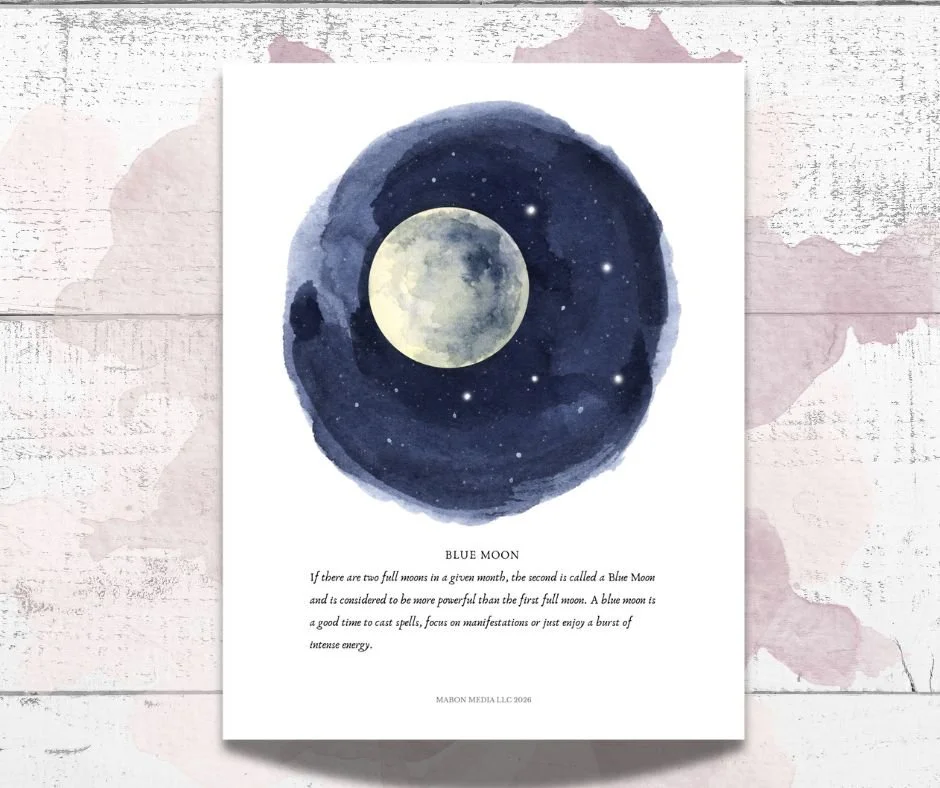
Free Blue Moon Printable
More About Moon Magic


Follow the Mabon House Adventures
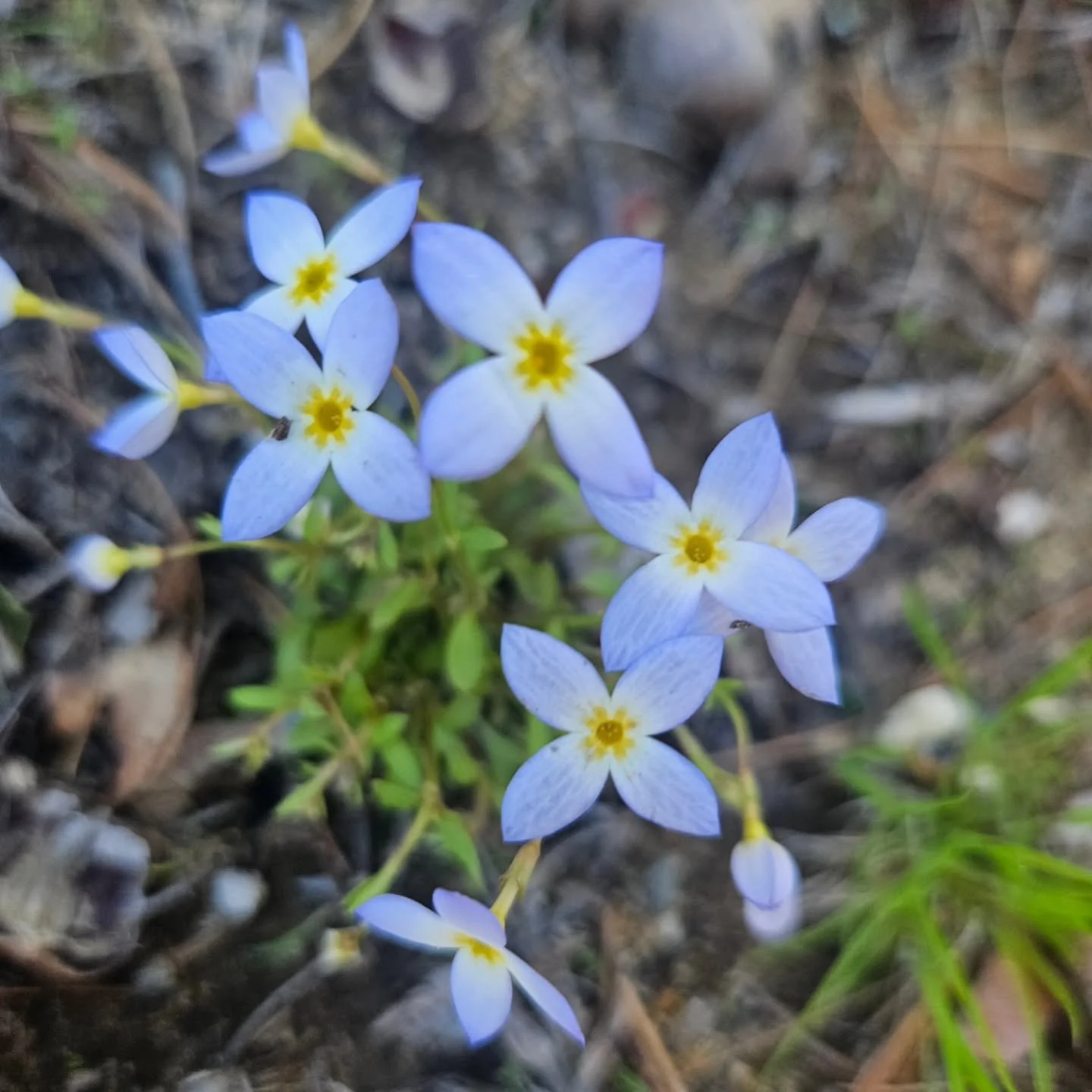
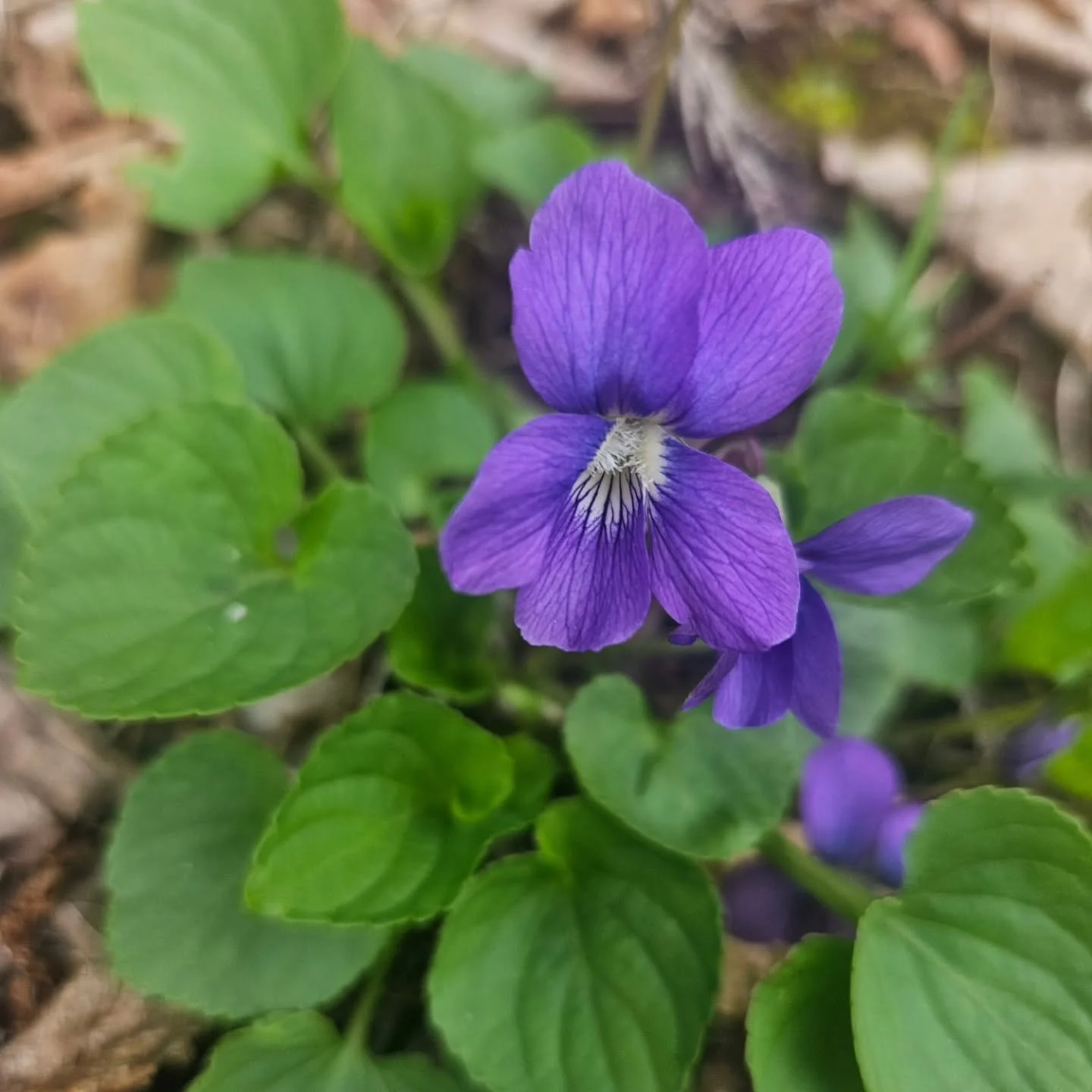



Nature-Based Spirituality Series: What Is a Garden Witch?
This post may include affiliate links and I may earn a small commission from qualifying purchases. Mabon House only features products that I use myself or that I believe my readers would enjoy. Thank you!
There is no single definition of a garden witch. The term is often used interchangeably with green witch or hedge witch, though there are some distinct differences between the three.
At its core, a garden witch is someone whose spiritual practice centers around plants, gardening, seasonal cycles, and connection to the natural world. Rather than focusing on elaborate rituals or strict traditions, garden witchcraft is often rooted in everyday acts of care, observation, and intention.
For some people, that may look like tending herbs or planting according to the moon phases. For others, it may simply mean slowing down and developing a deeper relationship with nature.
What Does a Garden Witch Practice Look Like?
A garden witch’s spirituality can take many different forms. There is no “right” way to practice nature-based spirituality, and many people blend gardening, herbalism, folk traditions, mindfulness, and seasonal living into their own unique path.
A garden witch’s practice may include:
Gardening as a spiritual ritual
Growing herbs and flowers for magical or symbolic purposes
Cooking with intention using homegrown plants
Decorating altars with seasonal plants and natural objects
Nature journaling and observing seasonal changes
Creating sacred outdoor spaces for meditation or reflection
Honoring lunar cycles and seasonal festivals
For many practitioners, the garden itself becomes a place of healing, grounding, creativity, and connection.
Garden Witch vs. Green Witch vs. Hedge Witch
These terms are often used interchangeably, but there are some general differences between them.
Garden Witch
A garden witch typically focuses on cultivated outdoor spaces and gardening activities. Their spiritual practice may revolve around planting, harvesting, seasonal cycles, and connecting to nature in some way.
Green Witch
Green witchcraft is generally broader in scope. Along with gardening and plants, a green witch may incorporate:
Herbalism
Foraging
Natural remedies
Folk healing
Working closely with the elements and earth-based energies
The Green Witch’s Garden by Arin Murphy-Hiscock is an excellent book to check out if you want to learn more about starting your garden practice.
Hedge Witch
The term hedge witch comes from the idea of the “hedge” as a liminal boundary — a space between worlds. Hedge witches are often viewed as solitary practitioners who may incorporate:
Folk magic
Spirit work
Trance practices
Ancestor connection
Dreamwork or journeying
Working within liminal spaces
Many practitioners move fluidly between these labels, while others choose not to use labels at all.
Common Practices of a Garden Witch
Whether or not you identify yourself as a garden witch, there are many simple ways to incorporate nature-based spirituality into everyday life.
Working With Herbs
Herbs have long been associated with healing, protection, and spiritual symbolism across many cultures and traditions.
Some common herbal correspondences include:
Rosemary for protection
Basil for prosperity
Sage for cleansing and purification
Herbs may be grown for cooking, teas, rituals, spell work, or simply to deepen your connection to the natural world.
Moon Gardening
Following lunar cycles in gardening is an ancient agricultural practice that many modern garden witches continue today.
Examples of moon gardening include:
Planting during the new moon
Harvesting during the full moon
Using the waning moon for release rituals
Meditating outdoors beneath the moonlight
Moon phases can add intention, rhythm, and mindfulness to both gardening and spiritual practice.
Creating Sacred Outdoor Spaces
Many garden witches create spaces outdoors that feel calming, magical, or spiritually meaningful.
This could include:
A small garden altar
A fairy garden or fairy house
A pollinator garden
Wind chimes or natural decorations
Plants connected to ancestors or loved ones
A quiet meditation corner
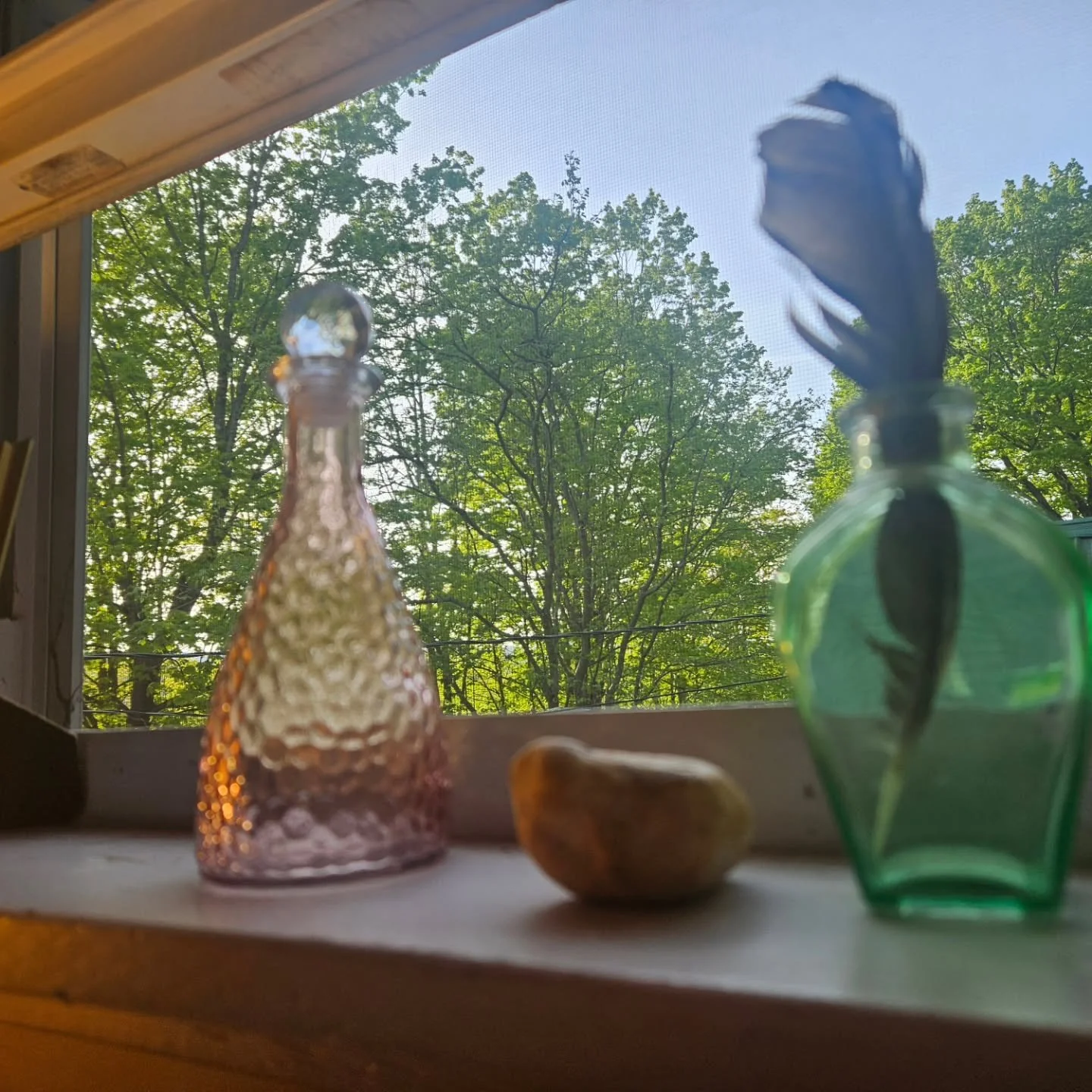
Sacred spaces do not need to be elaborate. Even a single potted plant on a windowsill can become part of a meaningful spiritual practice.
Bringing Garden Magic Into the Kitchen
Garden witchcraft is not limited to outdoor spaces. In fact, many practices can easily be brought indoors, especially during colder seasons.
A garden witch may:
Make herbal teas
Create infused oils
Dry herbs and flowers
Cook with seasonal vegetables
Practice mindful cooking with intention and gratitude
Kitchen rituals can become a simple but powerful extension of a nature-based spiritual practice.
How to Start Your Own Garden Witch Practice
You do not need a large garden, expensive tools, or formal spiritual training to begin.
Start small and focus on consistency rather than perfection.
Simple Ways to Begin
Grow herbs on a windowsill
Start a container garden on a porch or balcony
Plant a small flower bed or patch of wildflowers
Learn about local plants and folklore
Visit parks or nature trails regularly
Keep a seasonal nature journal
Observe how the seasons affect your mood and routines
During winter months, you might focus more on:
Reading about herbalism
Studying plant folklore
Drying herbs
Planning next year’s garden
Reflecting through journaling and seasonal rituals
Nature-based spirituality grows slowly over time through repeated, intentional actions.
Misconceptions About Nature-Based Spirituality
There are many misconceptions surrounding garden witchcraft and nature-based spirituality.
You do not need to:
Identify as Wiccan, Pagan, or a witch
Follow elaborate rituals
Own a large garden
Buy expensive spiritual tools
Practice perfectly
At its heart, spirituality is often about mindfulness, connection, and intention.
Simple actions can become sacred practices:
Watering plants mindfully
Composting as part of the cycle of life
Cooking with gratitude
Observing seasonal changes
Spending time outdoors without distraction
I find as someone who prefers solitude over crowds that my spiritual practices are usually built through small, consistent habits rather than dramatic rituals.
You do not need to follow a strict path or label yourself anything at all. Nature-based spirituality can be as simple as paying attention to the world around you and finding meaning in the changing seasons.